



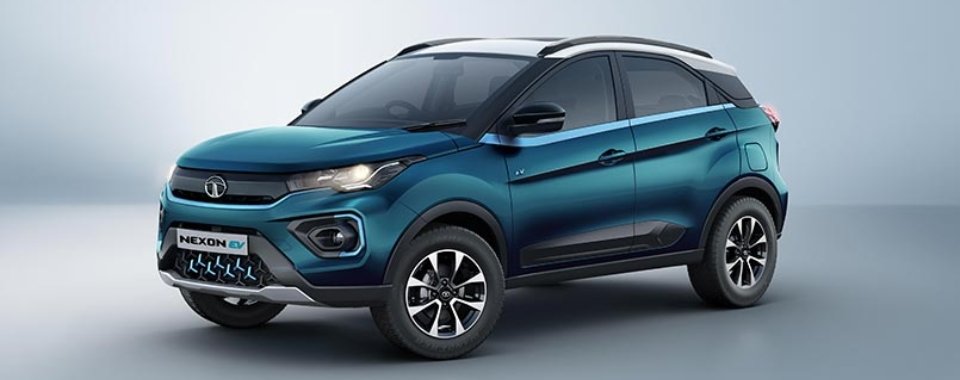
The ICCT Global Automaker Rating 2025 reveals that Indian manufacturers, notably Tata Motors and Mahindra, lead in terms of energy efficiency in electric vehicles, taking first and second positions globally, respectively. The annual rating analyses progress of the global automakers toward zero-emission vehicles and groups them as either “Leaders”, “Transitioners” or “Laggards”. Mahindra’s inclusion in the report highlights India’s developing EV market, with Tata maintaining its position as a “transitioner”.
India’s EV transition requires scale:
Though India has set a very ambitious target of 30% of EV penetration by 2030, current EV sales remain at about four percent level. Meeting this objective will require not only market incentives and industrial policy but also strict fuel-efficiency norms. Indian manufacturers are already working on efficient energy-efficient EVs that help in achieving national objectives of reducing oil imports and increasing energy security. Higher CAFE III norms can further this edge. A successful transition to electric vehicles would be essential for strengthening local manufacturing and positioning Indian car-makers internationally with existing technological base.
Dale Hall, ICCT global programs lead, commented, “The ranking demonstrates that the transition to electric vehicles within the global automotive sector is no longer something that is far away in the future. By 2025, EVs represented 25 per cent of global sales of light-duty vehicles. Almost all automakers included in our study have shown an increase in EV sales share. At this point, the crucial challenge is not about selling EVs but about delivering electrically competitive models fast enough.”
Efficiency leadership helps in improving India’s global standing:
Tata Motors ranks highest in the world among all automakers in terms of energy efficiency with 106 Wh/km while Mahindra is second with 113 Wh/km. It is believed that regulatory changes may help in aligning automotive companies’ skills with the faster adoption of electric vehicles. India plans to have 30 per cent of EVs by 2030.