



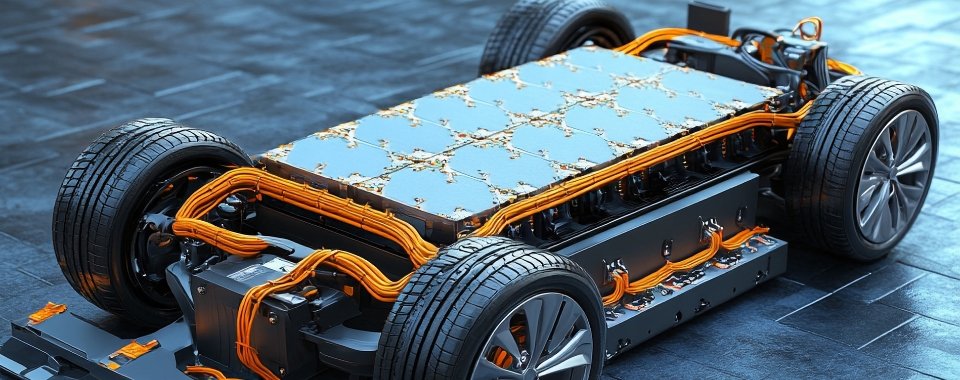
The new advancement in the technology of the cathode of lithium iron phosphate (LFP) offered by Epsilon CAM is significant because the company managed to create a high energy performing LFP cathode material. The invention of this product backed up by more than 145 patents undermines China’s monopolistic position concerning battery materials.
Breakthrough outside of China:
Epsilon CAM offers its Gen III LFP Cathode Material with the discharge capacity of no less than 159 mAh/g and electrode density of at least 2.51 g/cc. Thus, the innovation will allow increasing the amount of energy that batteries are capable of storing. The breakthrough has been made in the Cathode Technology Centre situated in Moosburg, Germany, which is considered the centre of LFP technology outside of China.
“Not just any improvement,” stated Vikram Handa, Managing Director, Epsilon Group. “Gen III LFP Cathode Material allows us to formulate a cathode that makes EVs stand out in terms of performance and energy per cell, denser electrode structure, and the approval pathway of choice – full PFE approval.”
Commercial size and market potential:
Currently, Epsilon is planning to begin production in India with an objective of 30,000 tonnes per year production by 2030. Notably, the material is compliant with the PFE (Prohibited Foreign Entity) criteria and can therefore be used freely by the US companies in their batteries and vehicles.
The material also brings about certain benefits that include increased energy density, twice the cycle life, and excellent high-temperature performances. This will result in better performing, affordable, and less risky EV batteries for car manufacturers.
Current significance of the development:
Prior to this development, all of the top quality LFP materials were sourced from China, posing certain risks to the international suppliers. Epsilon’s Gen III LFP is now offering a solution that combines the performance, compliance, and diversification of source countries.
This development also signifies India’s emergence as a leading advanced manufacturer. Through continuous research in Germany and commercial production in India, the company aims to become a serious rival in the global battery materials market.