


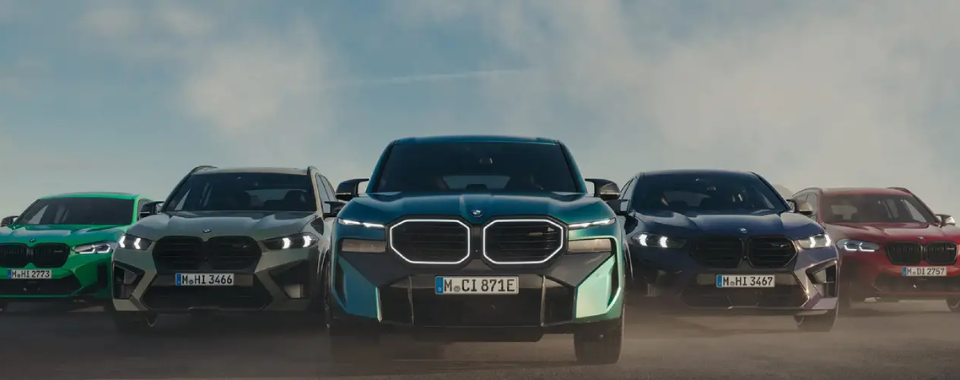
BMW Group is working on its enhanced product and manufacturing plans for the Indian market and is expected to launch 10 new models and 17 model upgrades in the year 2026. These models would include internal combustion-engine models, electric vehicles, and MINI models as BMW looks to increase its presence in the country, where premium car sales are still a small percentage of total sales.
Despite these challenges, BMW recorded record sales of approximately 18,000 units in the Indian market in 2025, recording a 14 percent increment in sales over the previous year. This has further reduced the distance between BMW and its major competitor in the sector, Mercedes-Benz.
Broadening the portfolio outside of the luxury segment:
Luxury car sales contribute to hardly 1 percent of the total passenger car sales of over four million units sold annually in the country, mainly due to the high import duties. The top management of BMW India feels that without competing across a broad spectrum of consumers, growth won’t be possible.
For this, BMW intends to expand its portfolio and localize its products to enhance competitiveness in terms of cost. Over one-third of the future products will be from the MINI brand, implying the company is targeting various customer groups across the price spectrum within the premium segment successfully with its diversified offerings.
Local sourcing becomes a manufacturing trend:
At present, BMW is able to locally source nearly 50 percent of the components required for the cars assembled in India, ranging from seats to engines, axles, to tyres. BMW is also exploring options to enhance the localisation levels. The margin costs and reliance on import components.
The notable among these is that it began local assembly of its electric sports utility vehicle, BMW iX1, which was its first electric vehicle in the Indian market and assisted it in achieving competitive pricing and an increase in electric vehicle sales.
EV growth reshapes product and policy priorities
Electric vehicles now account for about 21 per cent of BMW’s India sales, up from roughly 8 per cent in 2024. The company is assessing the feasibility of sourcing EV components such as motors locally, although discussions remain at an early stage.
BMW has also underlined the need for policy stability, particularly the continuation of the lower 5 per cent GST rate on EVs, to support long-term investments in clean mobility and advanced manufacturing.