



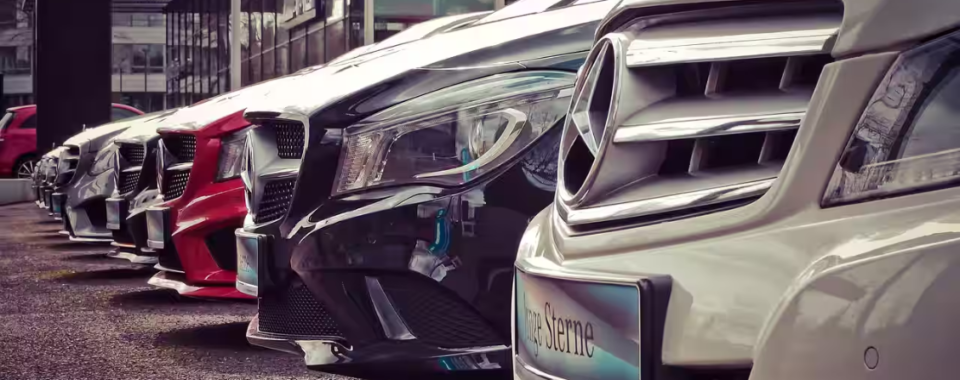
In contrast to the strong 10.5% growth anticipated for the entire passenger vehicle market, luxury automobile sales in India are forecast to expand at a meagre 1.6% in 2025. Due to a combination of internal and international economic challenges, this pattern represents the poorest growth since the epidemic. Sales of luxury vehicles, defined as cars priced above ₹50 lakh, are projected to reach only around 52,000 units this calendar year. This performance starkly contrasts with the record 4.6 million overall passenger vehicle retail sales anticipated, highlighting a divergence in market dynamics.
Leaders in the industry cite unstable stock markets and geopolitical unpredictability as major turnoffs for wealthy and ambitious consumers. Cost pressures brought on by the declining Indian Rupee, which affects import prices and pricing policies, exacerbate these problems. The head of Audi India, Balbir Singh Dhillon, also observed a natural slowdown after the robust post-pandemic recovery. A significant policy intervention, the reduction in Goods and Services Tax (GST) rates for automobiles from September 22, 2025, offers a glimmer of hope. Luxury vehicles now face a 40% GST, down from the previous 43-50% bracket, aiming to lower acquisition costs and stimulate demand. This follows strong growth in the mainstream car market, with October and November sales showing double-digit year-on-year increases.
Executives from Mercedes-Benz India, BMW Group India, and Audi India are cautiously hopeful about a turnaround in 2026 despite the current slump. They anticipate a return to sustainable growth due to the full-year advantages of GST reforms as well as increased macroeconomic clarity and policy stability. With more than 2,000 pending orders as of October 1, BMW Group India president Hardeep Singh Brar emphasised the notable improvement in customer attitude following tax cuts. The managing director and CEO of Mercedes-Benz India, Santosh Iyer, predicts that the benefits of the GST reform would continue to accrue until early 2026. India now has the lowest market share of any major economy—just over 1%—for luxury cars. According to industry experts, the nation has significant long-term growth potential, driven by a sizable and expanding population of high-net-worth individuals. To take advantage of this unmet need, manufacturers are preparing new releases in the internal combustion and electric vehicle markets.
The slowdown in the luxury car market may indicate a cautious attitude among affluent consumers, which could have an effect on discretionary spending. It emphasises how vulnerable premium segments in the car industry are to changes in the economy and exchange rates. A rebound in this industry could boost confidence in the economy overall and have a beneficial impact on linked luxury goods industries.