


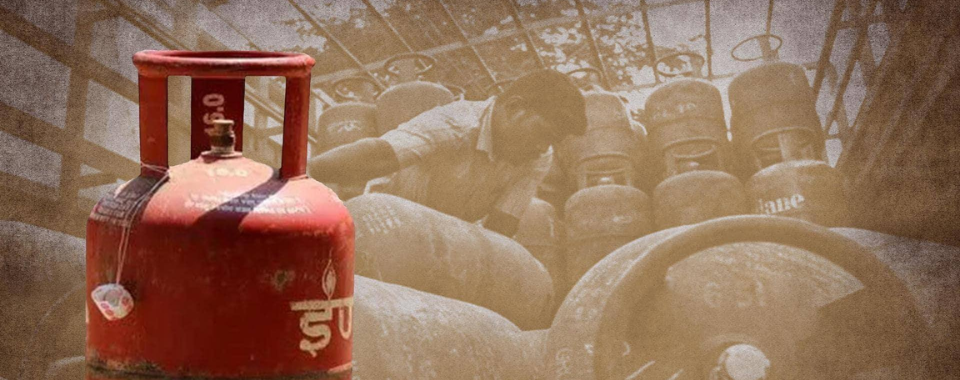
India’s clean cooking initiative is demonstrating huge success, with Liquefied Petroleum Gas consumption rising as the Pradhan Mantri Ujjwala Yojana enables over 10 crore households to regularly refill cylinders. Substantial refill statistics, averaging 13.6 lakh daily for Ujjwala families in FY25 and over 55 lakh nationwide, mark an important behavioral shift. To state it differently, this growth evidences that the program is successfully delivering sustainable, healthy cooking infrastructure to millions of Indian families.
Ujjwala Yojana Usage Surges:
The country’s universal LPG coverage is showing healthy expansion, with consumption much enhanced as a result of repeated usage by the beneficiaries of “Pradhan Mantri Ujjwala Yojna” or “PMUY”. Union Minister of State for Petroleum and Natural Gas, Hardeep Singh Puri, on Wednesday, said, “It’s not just connecting, it’s consumption. And if it’s not consumed, it’s not worth providing. And, we are happy to report, after our efforts, 10.41 crore households are now connected to LPG. We are fast approaching our target of 10.60 crores.”
Record Refill Numbers:
The data available shows the remarkable change in consumer behavior, proved by the staggering numbers of refills. Around 276 crores of LPG refills have been distributed to PMUY families so far. During the fiscal year 2024-25, an average of 13.6 Lakh refills per day have been distributed to the Ujjwala families alone. More than 55 Lakh LPG Cylinders are being distributed daily across the whole nation.
Clean Cooking Push by Government:
This consumption demonstrates an increase in the movement away from traditional cooking methods toward a healthier, cleaner ecosystem for millions. Average LPG consumption per Ujjwala family has risen markedly from three cylinders to 4.85 cylinders annually. Minister Puri said this trend proves the initiative is providing “everyday infrastructure delivering dignity at scale” under Prime Minister Narendra Modi’s leadership. Launched in May 2016, PMUY provides deposit-free LPG connections, including the first refill and stove, to women from low-income households.