


The number of vehicle recalls in India hit a eight-year low in 2025. A total of 119,173 two-wheelers, passenger cars, and sport utility vehicles were recalled in 2025 by automakers, which is the lowest annual tally since 2017. According to industry officials, the dipping numbers are owing to enhanced manufacturing quality and in-house verification at automakers.
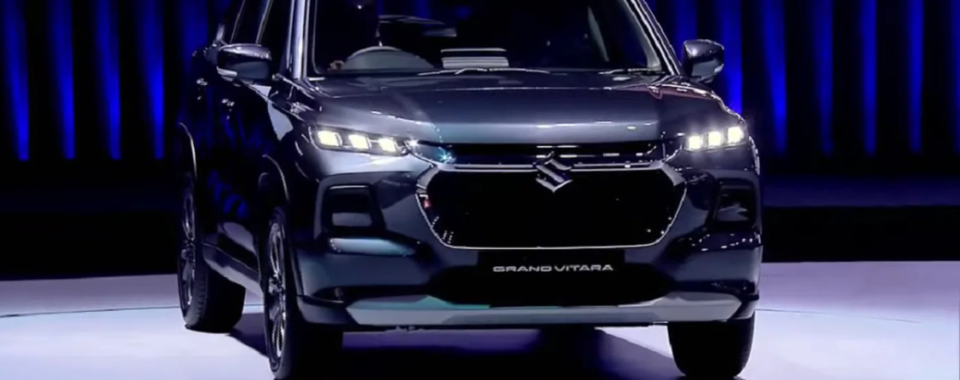
The recall notices were issued due to various defects, some of which were potentially serious enough to cause safety issues if not fixed. Data from the industry reveals that the drastic fall represents a major shift from previous years when recall numbers easily breached the hundreds of thousands mark. One-third of the total recalls in 2025 was by Maruti Suzuki. The leading automaker in the country issued a recall of almost 40,000 units of Grand Vitara due to the possible defect in the fuel level indicator/warning light in the speedometer assembly that might show the incorrect status of the fuel level.
Total recalls were carried out for around 49,000 vehicles from the group of brands that include Škoda Auto and Volkswagen. These/models include Kushaq, Slavia, Kylaq, Taigun, and Virtus. The problem was with the rear seat belts of these cars. The buckle latch plate may break, or the webbing of the rear center seat belt and the buckle of the rear right seat belt may fail in the case of a frontal crash. The fifth largest car-manufacturing company, Toyota Kirloskar Motor, recalled just over 20,000 units in 2025. Over half a lakh affected were Urban Cruiser Hyryder, which was recalled over the same issue regarding the fuel indicator as the Maruti Suzuki Grand Vitara, as they both have common mechanicals.
Luxury automaker Mercedes-Benz issued 2,820 recalls for the year. The models that included the company’s best-sellers E-Class, AMG E-Class, and CLE were issued the recalls between January and September. The vehicles included those with petrol-hybrid and those that have electric powertrains. The problem is prevalent enough in South Korea that a total of 1,380 units from the popular electric vehicle model EV6 needed to be recalled by automaker Kia due to a possible issue with its integrated charging control unit (ICCU), which may impact the performance of its 12v auxiliary battery.
Car recalls are normally started by the manufacturer once defects are identified as actual or potential. Experts believe that the fall in the numbers of recalls has shown improved production quality and quality control processes by car manufacturers. “In the past, recalls were viewed negatively,” opined a manufacturer of cars in Delhi. “Today, the mindset has shifted.” In fact, a recall allows a carmaker to be viewed as a company concerned about its cars and taking steps before any problems arise. It is always preferable to a recall brought about by social media protests.
The contrast with previous years is stark. India witnessed a record 1.3 million vehicle recalls in 2021, the highest ever in a single year. In 2024, recalls stood at 864,351 units, according to data from the Society of Indian Automobile Manufacturers (SIAM).
Despite becoming the world’s fourth-largest automotive market by 2022, India implemented a formal, government-defined recall policy only in April 2021. Under the Central Motor Vehicle Rules, 2021, introduced by the Ministry of Road Transport and Highways, manufacturers can face penalties of up to ₹1 crore, depending on the scale and nature of recalls.