



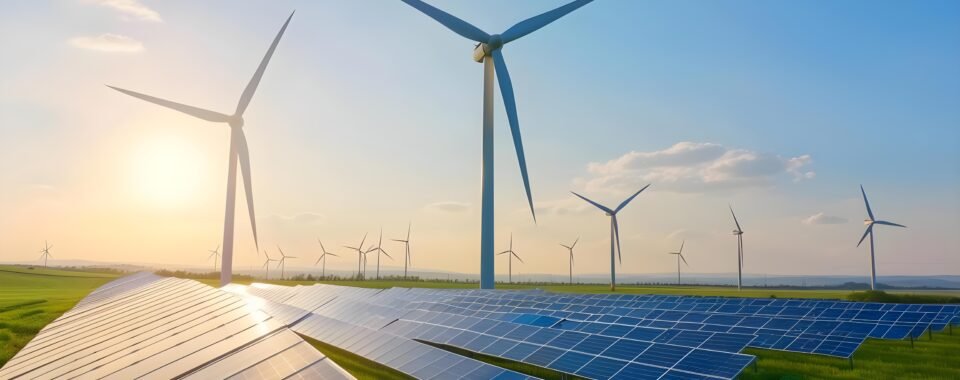
Oyster Renewable Energy Pvt Ltd, a customised hybrid renewable energy solutions provider for commercial and industrial (C&I) customers, is constructing a hybrid wind-solar project with a capacity of 60.9 MW across Kadapa district of Andhra Pradesh, with a total project cost of over ₹350 crore. The project consists of 39.3 MWp Solar and 21.6 MW Wind projects, which will be supplied entirely to Laurus Labs Limited.
The complete 39.3 MWp of solar has been commissioned, with production of approximately 51.51 million units (MU) of electricity. This is expected to save 35,571 tonnes of CO₂ emissions per year. The 21.6 MW of wind is expected to be commissioned by December 2026. Upon completion of the project, the hybrid will produce approximately 124 MU of electricity per year and save 88,040 tonnes of CO₂ emissions per year.
Hybrid wind-solar project helps overcome intermittency for C&I:
By combining wind and solar resources within one project, Laurus Labs will have a more stable supply of renewable energy throughout the day. Siddharth Bhatia, MD & CEO at Oyster Renewable believes that energy intensive manufacturers will only benefit from renewables if they can be relied upon. Due to this, more C&I customers in sectors like pharmaceuticals, cement and steel are looking to hybrids. “We are focussed on increasing our renewable energy mix. We are doing that through captive solar projects, renewable PPAs and trying to reduce our energy intensity,” said Dr Satyanarayana Chava, Founder & CEO at Laurus Labs. Using further solar and wind setups they aim to cover ~50% of their energy needs using renewable energy by Q4 FY27.
However, standalone solar and wind projects cannot provide continuous power, only when the sun is shining and wind is blowing. Often times, these resources will complement each other. Solar will have a predictable output throughout the day, peaking around midday and dropping to zero at night. Whereas wind often has output through the evening and night and will vary depending on the season.
Having both resources in one location helps provide a more balanced energy output and allows better use of infrastructure like transformers and transmission lines. Having a more consistent energy source means energy intensive manufacturers can rely less on traditional grid energy when solar output is low.