



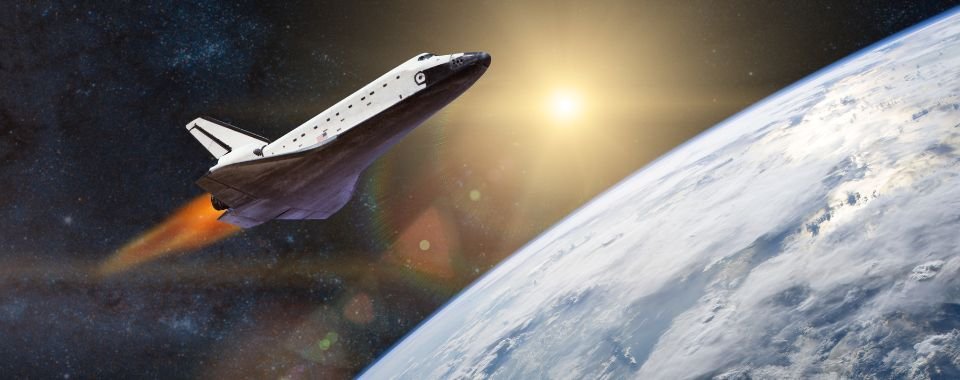
In an announcement released by Astrophele Aerospace, the company will undertake a suborbital test flight of its reusable rocket prototype in August 15, 2026. Based in Pune, the company is currently working on building a vertical take-off and vertical landing test vehicle as part of their road map to build a commercially viable reusable rocket.
Development of Reusable Launch Vehicle:
The prototype which measures 3 meters long and weighs approximately 200kg will be manufactured in the company’s Pune manufacturing plant. This test will provide a platform for testing the company’s cryogenic subsystems and propulsion capabilities.
Co-founder and CEO of Astrophel Bafna notes that the test will be one of the few times a privately built rocket prototype will be developed and tested in India. Previously, the company undertook a cryogenic engine test in August 2023.
In addition to turbopumps, vacuum insulated cryogenic tanks, and precise linear actuators, Astrphele has developed high-performance cryogenic control valves.
Developing local expertise in space hardware:
The Indian private space industry still relies heavily on imported parts to build advanced propulsion technology. Astrophel’s strategy entails the vertical integration of essential subsystems, which would allow the company to rely less on imported parts and shorten the product development timeline.
Immanuel Louis, co-founder and chief operating officer, said that their engineering process follows automotive manufacturing processes. This would allow subsystem development at a cheaper cost than what is currently seen globally.
Aside from designing and developing new launch vehicles, the firm intends to earn revenue from the sale of its products and the creation of licensing partnerships. The goal is to create an ecosystem around the aerospace, defense, and emerging sectors, including green hydrogen.
As more satellites are projected to be launched in the future, propelled by the rapid deployment of Low Earth Orbit constellations, there will be an increased need for reusable rockets. A successful test by Astrophel is one way to achieve this goal.