



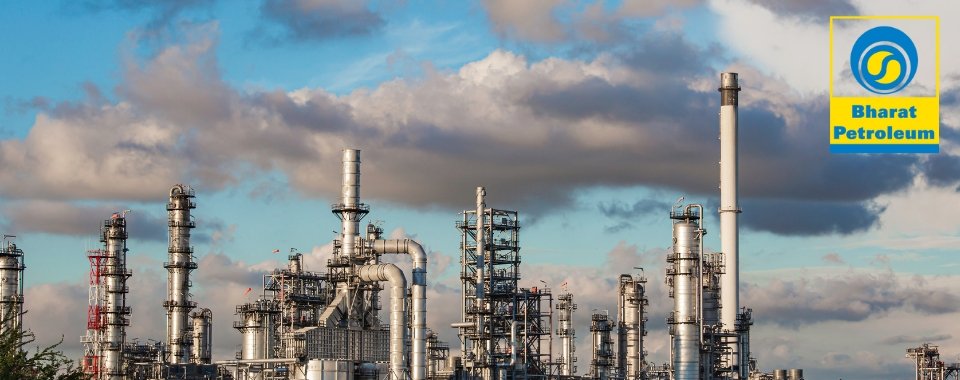
Bharat Petroleum Corporation Ltd (BPCL) is moving ahead with its proposed ₹96,000 crore refinery cum petrochemical project in Andhra Pradesh, actively looking for equity partners, including Saudi Aramco. Though Oil India has already agreed to invest in a 10% stake, the success of the project depends on attracting more investment, which is a challenge for the company, given its strategic shift away from other stalled projects of a similar scale.
This strategic focus on the Andhra Pradesh location, selected based on its port logistics and downstream demand, is a major capital outlay decision for BPCL. This decision effectively puts on the backburner the plans for the construction of projects in Prayagraj and further clouds the future of the long-pending project in Ratnagiri. The major risk, which was hitherto associated with the selection of the location, is now associated with the implementation of the project, with land acquisition being identified as the single biggest risk for projects of this nature by a senior company official.
The High-Stakes Coastal Pivot:
BPCL’s move to bet on the future with a massive greenfield project at Ramayyapatnam reflects a clear pivot towards integrated petrochemicals. With a petrochemical feedstock utilization of 25%, the project is expected to ride the Indian chemicals demand wave, which is expected to reach a staggering US$383 billion by 2030. This move is expected to mitigate risks associated with BPCL’s overdependence on transportation fuels, whose demand growth is threatened by the global energy transition. The market has responded to BPCL’s recent trends and capex plans with a sense of guarded optimism, with the stock currently trading at a P/E ratio of 6.3x to 8.7x, which is significantly lower than that of its peer Reliance Industries at over 24x. Despite a consensus ‘Buy’ recommendation with an average price target of ₹415, the massive outlay of ₹96,000 crore (approximately US$11.5 billion) poses a significant balance sheet risk if external funding does not materialize.
Risks of Execution Exacerbated by History:
The quest for equity partners, including international majors such as Saudi Aramco, is imperative. Nonetheless, history offers a warning. Saudi Aramco has a history of extended and ultimately fruitless negotiations in the refining space in India, including the abandoned $15 billion investment in a Reliance oil-to-chemicals joint venture and the stalled equity partnership in the mega-refinery at Ratnagiri. The Ratnagiri project, a 60 million-tonne joint venture between BPCL, IOCL, and HPCL, has been stuck for years, precisely because of the land acquisition difficulties that company officials are now pointing to as a major concern. The inability to deliver on this project, despite support at the highest level of government, is a grim reminder of the challenges of execution that any large-scale industrial project faces in the country. Although the Andhra government is said to have acquired the necessary land for the BPCL project, the project’s reliance on foreign investment introduces a degree of complexity.
Finding a Balance between Traditional Refining and Future Requirements:
This enormous outlay on fossil fuel refining is being made at a time when the energy infrastructure in India is growing at a rapid pace, with the country having recently broken the 100,000 mark on retail fuel stations. BPCL is going strong with a market share of close to 30% in petrol and diesel sales and is also adding to its CNG stations, which now number over 700. The Andhra venture is thus placing two bets simultaneously: one that the demand for conventional fuels in India will continue its current growth pattern to reach 6.6 million barrels per day by 2030, and another that petrochemicals, with their higher margins, will continue to be a sound source of revenue for many decades to come.