



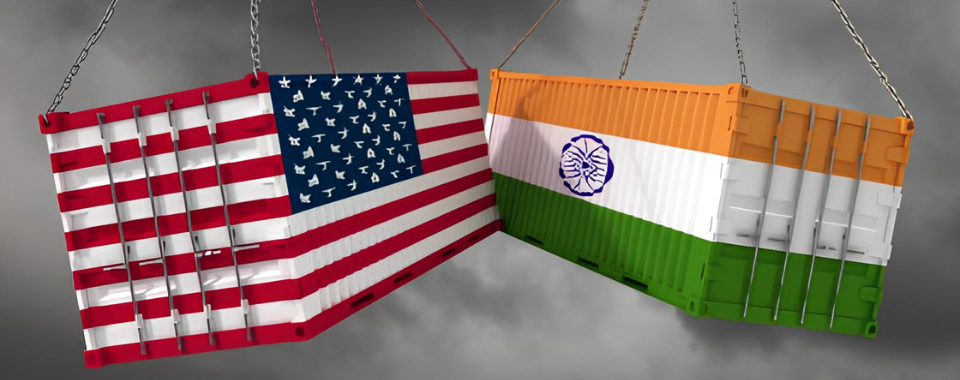
Indian nutraceuticals face a big hurdle in exports to the US due to steep import tariffs of around 50% on key raw ingredients. Industry leaders said that there is a critical classification anomaly, where the same molecule attracts zero duty as colorants but attracts heavy duties for health and wellness usage. This anomaly has severely eroded export competitiveness and increased the price burden on Indian suppliers significantly. The industry has called for the government to remove this regulatory gap through trade talks to aid the $954-million export segment.
Sanjaya Mariwala, the executive chairman and managing director at OmniActive Health Technologies, has pointed out serious challenges within the Indian export market for nutraceuticals in the United States. There have been high import duties amounting to about 50% for essential active ingredients.
Regulatory Hurdles :
A significant flaw in U.S. tariff rates has been highlighted by Mariwala. Although healthcare products are currently exempt from such tariff rates, nutraceuticals do not receive similar treatment. Natural carotenoids and botanicals are more severely hit as they are essentially nutraceuticals that are needed by human beings for sustenance. “Products currently categorized under Chapters 13 and 21 are liable for around 50% import tariffs in the US, while the same products categorized under Chapter 32 as colorants are liability-free,” Mariwala recently pointed out in a presentation made to the Commerce Ministry.
Economic Disparity:
The Indian nutraceutical market has grown to be valued at over $22 billion with exports amounting to $954.41 million till March 2025. A major share of these exports is to the U.S. market. “We are paying 50 percent, so it’s really a lot of confusion for our customers wanting to do new things with us,” said Mariwala while explaining that the current system of taxation was increasing the cost of products for Indian exporters and thereby confusing consumers along with ruining new business deals. According to him, there was also a need to provide clearer regulatory guidelines to define nutraceuticals on universally recognized Harmonized System of Nomenclature codes.
Industry Calls for Reform:
Mariwala asked the government to make their tariff policies scientific and commercial reality-friendly, especially during the current trade talks. His requirements for the budget include that it should become “outcome based, quantified, and result-oriented” with a focus on outcomes from initiatives like Ayushman Arogya Mandirs. Although the nutraceutical industry falls within the purview of the Production Linked Incentives scheme, Mariwala states that the budget should offer a strong regulatory framework for initiatives regarding preventive healthcare programs with clinical validation.
He further highlighted that the government still lags behind the target of 2.5 percent of GDP allocation on public health.