



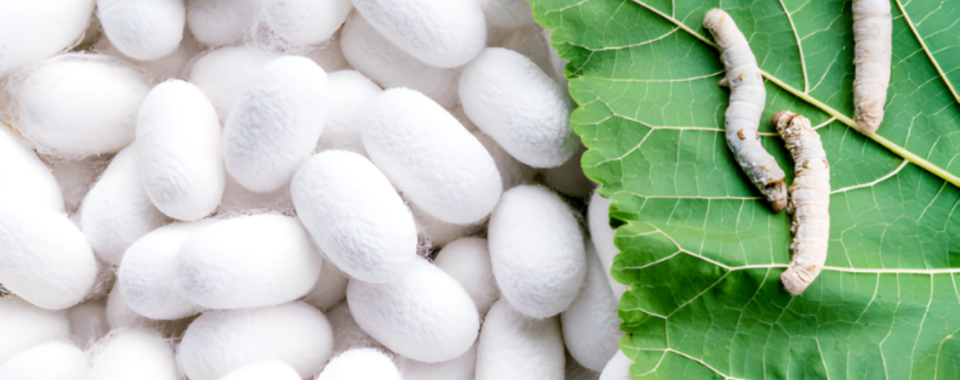
Sericulture growth would help boost India’s silk production and employment, as it will help meet the growing demand, according to the Textiles Ministry. Increased employment would ultimately create a positive impact on the textile industry, it adds. India’s position as the second-largest producer of silk in the world is now consolidated, as the sericulture industry continued to grow in terms of production, productivity, prices, and employment during the Year of Textile Reforms, according to the Ministry of Textiles.
The data available from the ministry indicates that the sector has grown remarkably between the 2013-14 and 2024-25 periods. The output of raw silk has gone up by 55%, totaling 41,121 metric tons from 26,480 metric tons, and productivity by 16.75% to 112 kg per hectare from 96 kg per hectare. Prices were up significantly. Mulberry cocoon prices were up by 46%, with an increase to Rs. 560 (6 US $)/kg for the season and year 2024–25 from the price of Rs. 384 (4 US $)/kg for the season and year 2013–14.
Employment growth was yet another significant consequence of this sector’s performance. It raised the level of the sericulture workforce by almost 24% from approximately 78 lakh people in 2013–14 to about 98 lakh in 2024–25. This, the ministry said, underlines the sector’s role in supporting rural livelihoods and expanding women’s participation in economic activity.
Meghalaya represents one of the important poles in this wider national growth pattern, due to its traditional Eri silk industry. One of the remarkable successes of this sector was the issuance of the Geographical Indication (GI) for Ryndia in 2025. Er i silk production in Meghalaya is largely community-based, from household incomes to a source of employment-generation-especially for women engaged in rearing cocoons and spinning and weaving.
The department said, “The GI tag had enhanced market visibility and value addition for Ryndia so that better pricing of the product, organised branding and access to wider markets beyond the state is possible.” The recognition also refortified the sustainable and eco-friendly production practices traditionally associated with Eri silk.
The Ministry of Textiles has stated that the mention of Ryndia as one among the success stories of this industry indicates the importance being accorded by the Indian government to include regional textiles as part of the overall Indian silk production chain.