




A company that has registered over 48 billion dollars in sales in the previous year, Bristol Myers Squibb (BMS), is gearing up for an array of product launches in the Indian market as it looks to leverage its strong late-stage product portfolio and its foray into AI-led commercialization. The pharma giant is looking forward to several data readouts from around the world in the next 12-18 months in the fields of cancer, hematologic malignancies, cardiovascular disease, and immunology, while also expanding its offerings in the Indian market.
The pipeline for India includes iberdomide and marizomib for multiple myeloma, milvexian for cardiovascular disease for stroke prophylaxis and atrial fibrillation, a GPRC5D-targeted new cell therapy, and melpront for pulmonary fibrosis. “It is a very exciting time for the company,” stated Adam Lenkowsky, executive vice president and chief commercialization officer at BMS. “In India, today, actually, we have been growing very aggressively with our in-line medicines, mainly in the area of oncology. India is an important market for us where we have seen very good growth, very good performance, and we look to bring more and more medicines to this market to benefit patients.”
$100 Million AI Push and Mumbai Gen AI Hub
To accelerate and better target launches, BMS is also investing over 100 million dollars in commercialization through the use of AI, and a brand new Gen-AI Hub in Mumbai has been launched as part of this initiative. The new Gen-AI Hub has been established in collaboration with Accenture. The aim of this new Gen-AI Hub is to drastically reduce the time taken to update prescribers about new clinical data from five-six months currently to two weeks.
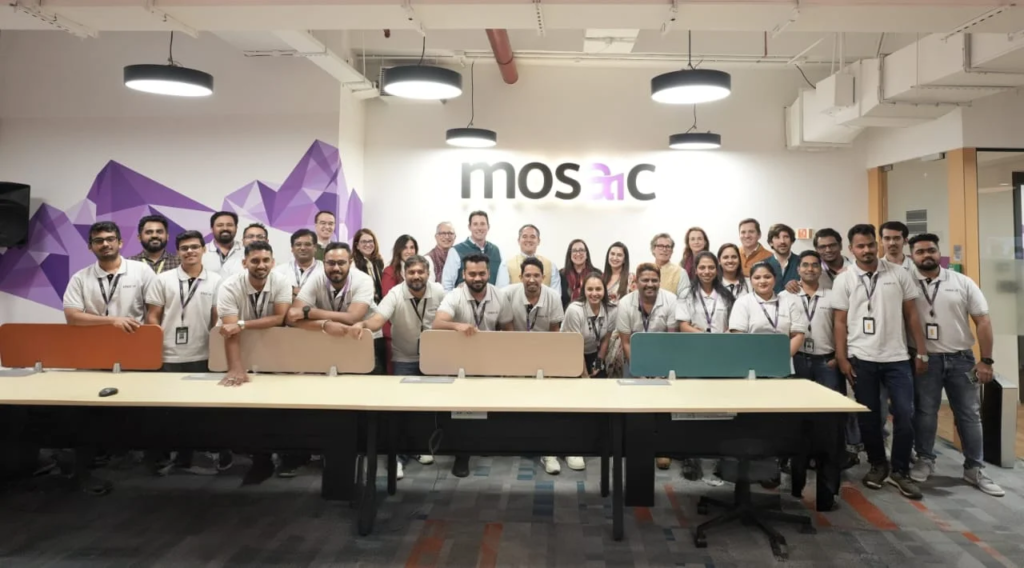
“This will enable quicker communication. But most importantly, we look forward to seeing an acceleration in the use of our new portfolio of medicines,” Lenkowsky said, adding that it might take six to twelve months to “understand how docs react to the content and what that means for new brand share.” “We are not using India as just a backend office or as a capabilities center for the world,” emphasized Anvita Karara, BMS’s head of AI commercial transformation. “The Mumbai team is driving AI. That is true innovation—true innovation that is going to enable how we think and work differently.”
“One of our fastest-expanding offices in terms of head count is in India,” said Lenkowsky. “Already, India has over 3,000 employees in its office in Hyderabad, established two years ago. Approximately 250 technologists will be employed in the new AI innovation hub, which can potentially increase with time, given the Mumbai office focuses on speeding up innovation in the AI revolution,” he explained.
Preparing for Patent Cliff With a ‘Most Robust’ Pipeline
Meanwhile, the increased focus on AI and speedier launch execution also form part of BMS’s strategy to mitigate the impact of upcoming loss of exclusivity for some of its blockbuster products. Immuno‑oncology drug Opdivo marketed as Opdyta in India still brings in over 10 billion dollars worldwide but will fall off a patent cliff later in the decade. Driven by a deep pipeline featuring bispecific antibodies, next‑generation cell therapies, and new cardiovascular and immunology assets, the company is banking on growth beyond 2030.